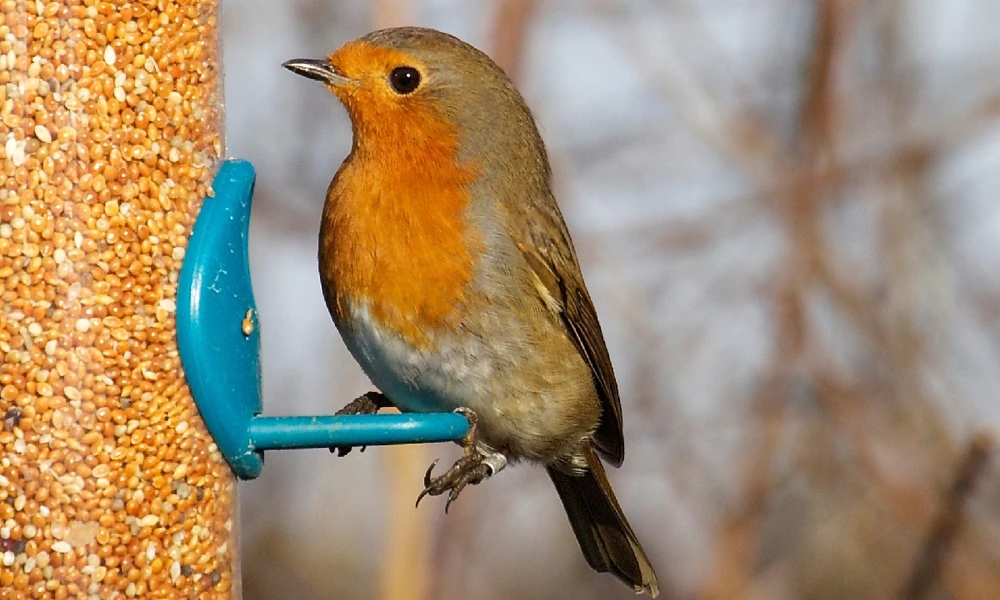
If you’ve ever tossed out plain white bread thinking you were helping your backyard birds, here’s the truth: most bread offers next to no nutrition and can actually do more harm than good. Choosing the right bird food for wild birds and pairing it with clean water makes the difference between a feeder that gets ignored and one that draws a steady crowd of finches, chickadees, and cardinals all season long.
Why Feeding Wild Birds the Right Way Matters
Wild birds burn through energy fast, especially in cold months, and what you put in your feeder directly affects their health. The wrong food can lead to malnutrition, mold-related illness, or attract pests instead of birds. The right bird food for wild birds, on the other hand, supports feather health, energy levels, and successful breeding seasons.
| Factor | Why It Matters |
| Nutrient content | Determines energy and feather/muscle health. |
| Freshness | Moldy or rancid seed can make birds sick. |
| Seed type | Different birds prefer different textures and sizes. |
| Feeder placement | Affects safety from predators and weather exposure. |
| Water access | Just as essential as food for survival. |
Types of Bird Food: What’s Actually in the Bag
Not all birdseed mixes are created equal, and knowing the common types of bird food helps you pick a blend that won’t sit untouched in your feeder.
- Black oil sunflower seed – The most universally loved seed; thin shell, high fat content, appeals to the widest range of species.
- Nyjer (thistle) seed – A favorite for finches; needs a specialized mesh feeder to avoid waste.
- Millet – Popular with ground-feeding birds like sparrows and doves.
- Cracked corn – Attracts larger birds like jays and doves, best used in moderation.
- Suet – A fat-based cake, especially valuable in winter for woodpeckers and nuthatches.
- Mealworms (dried or live) – High-protein option loved by bluebirds and wrens.
- Nectar – Sugar-water mix specifically for hummingbirds, not other species.
Here’s a quick look at how these types of bird food match up:
| Food Type | Best For | Season |
| Black oil sunflower | Most backyard birds | Year-round |
| Nyjer seed | Finches | Year-round |
| Millet | Sparrows, doves | Year-round |
| Suet | Woodpeckers, nuthatches | Fall/Winter |
| Mealworms | Bluebirds, wrens | Spring/Summer |
| Nectar | Hummingbirds | Spring/Summer |
What Not to Feed Wild Birds?
Some kitchen scraps seem harmless but can actually harm or even kill wild birds:
- Bread – Fills them up without real nutrition; can cause malnutrition if it becomes a main food source.
- Avocado – Contains persin, which is toxic to most bird species.
- Chocolate – Toxic to birds, just as it is to many pets.
- Salted or seasoned snacks – Excess salt disrupts a bird’s fluid balance.
- Moldy or spoiled seed – Can cause fatal fungal infections.
Sticking to purpose-made bird food for wild birds, rather than table scraps, avoids all of these risks entirely.
Birds Water Feeding: Why It’s Just as Important as Food
Food gets most of the attention, but birds’ water feeding matters just as much. Birds need water daily for drinking and bathing, and a reliable source can draw in species that never visit a feeder at all.
- Use a shallow bath (1-2 inches deep), so smaller birds can access it safely.
- Change the water every 1-2 days to prevent algae and bacteria buildup.
- In winter, a heated birdbath keeps water from freezing over.
- Place water away from dense shrubs where predators could hide.
Good birds water feeding setups often attract more variety than seed alone, since not every backyard visitor is a seed-eater.
Tips for a Successful Bird Feeding Station
- Choose the right feeder type – Tube feeders for small seed, hopper feeders for mixes, suet cages for fat cakes.
- Keep it clean – Wash feeders every 1-2 weeks to prevent mold and disease spread.
- Position thoughtfully – Near cover but away from ambush spots for cats.
- Feed consistently – Birds return to reliable sources, so gaps in supply reduce visits.
- Rotate seasonally – Suet and mealworms in winter, nectar and berries in summer.
Final Thoughts
Feeding wild birds well isn’t complicated; it just takes the right bird food for wild birds, clean water, and a bit of consistency. Skip the bread, stock a mix of seed types suited to your local species, and keep that water bowl fresh. Do that, and your backyard will quickly become a regular stop on the local flight path.
FAQs
Q. What should you not feed wild birds?
Avoid bread, avocado, chocolate, salted snacks, and any moldy or spoiled seed. These either offer no real nutrition or can be directly toxic to birds.
Q. What’s the cheapest way to feed wild birds?
A basic black oil sunflower seed mix offers the best value, since it appeals to the widest range of species without needing multiple specialty feeders.
Q. Is it a good thing to feed wild birds?
Yes, when done consistently and with appropriate food it supports birds during harsh seasons and low food-availability periods, though it works best as a supplement to natural foraging, not a replacement.
Q. What is the best type of food for wild birds?
Black oil sunflower seed is considered the most universally effective choice, since it suits the broadest range of backyard species and has a high fat content for energy.
Q. How to provide water to wild birds?
Set out a shallow birdbath (1-2 inches deep), refresh the water every couple of days, and consider a heated version in winter so it doesn’t freeze over.