
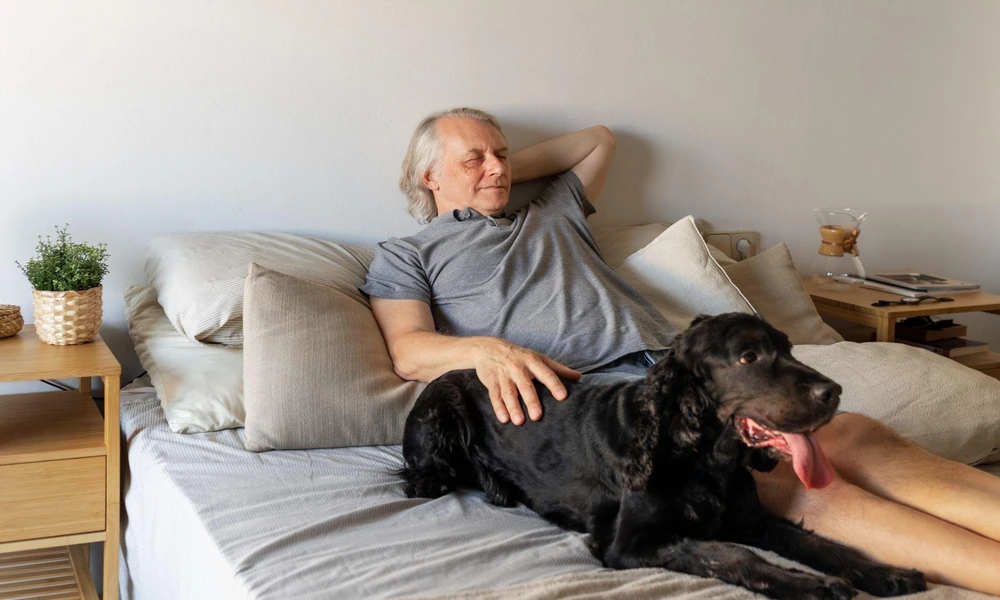
Deciding when a dog is approaching the end of life can be one of the hardest responsibilities a pet owner faces. Changes may happen gradually, with some days appearing manageable and others bringing greater discomfort or difficulty. Owners may find themselves questioning if their dog is still enjoying daily life or experiencing more distress than they can comfortably manage.
When considering when to put your dog down, it helps to look at quality of life rather than relying on age or a single symptom. A rehabilitation vet and the attending veterinarian can help assess mobility, pain, daily function and available care options. The decision should remain guided by the dog’s welfare and a clear understanding of its medical condition.
Canine Quality-of-Life Assessment Framework
A quality-of-life review can help owners organise observations before a veterinary discussion. It should not be used as a diagnosis or as a substitute for professional advice.
| Area to assess | Questions to consider | What to record |
| Comfort and pain | Does my dog appear comfortable at rest? | Signs of pain or distress |
| Mobility | Can my dog stand, walk and change position? | Assistance needed and changes in movement |
| Appetite and hydration | Is my dog eating and drinking sufficiently? | Changes in intake |
| Hygiene | Can my dog remain clean and comfortable? | Toileting and cleaning difficulties |
| Behaviour | Does my dog respond to familiar people and surroundings? | Changes in interaction |
| Daily enjoyment | Does my dog still engage with valued activities? | Positive moments and signs of withdrawal |
Look at Comfort and Pain Throughout the Day
Pain can affect a dog’s ability to rest, move and interact with its surroundings. Some dogs may whine, pant, tremble or repeatedly change position. Others may show more subtle signs, such as becoming withdrawn, avoiding touch or reacting defensively when handled.
Owners should observe their dog’s behaviour during different parts of the day. A dog may appear settled while sleeping but show discomfort when getting up, climbing steps or changing position.
Keep a record of these observations and discuss them with the attending veterinarian. Pain can sometimes be managed through medication, environmental changes or rehabilitation, depending on the underlying condition. A veterinary assessment is needed to determine which options remain suitable.
Assess Mobility and Daily Function
Difficulty standing, walking or maintaining balance can affect a dog’s independence and comfort. Arthritis, neurological conditions, injury and age-related changes may contribute to reduced mobility.
A rehabilitation vet can assess movement, strength, balance and functional ability. The assessment may identify ways to support mobility through suitable exercises, assisted movement, environmental adjustments or other veterinary rehabilitation approaches.
However, treatment should reflect the dog’s physical condition and tolerance. Rehabilitation is not suitable for every stage of illness, and exercises should not cause additional distress. Ask the veterinarian if mobility support is likely to improve daily comfort or if the dog is experiencing limitations which cannot be managed adequately.
Monitor Appetite, Hydration and Body Condition
Changes in eating and drinking can provide important information about a dog’s condition. A reduced appetite may result from pain, nausea, dental problems, medication effects or an underlying illness.
Record how much your dog eats and drinks, and note any difficulty chewing or swallowing. Unexplained weight loss, repeated vomiting or persistent refusal to eat requires veterinary attention.
Owners should also discuss nutritional support with the veterinary team. Dietary adjustments may help in some situations, but they should not delay assessment when a dog shows significant changes in appetite or hydration.
Consider Hygiene and Toileting Needs
A dog which cannot move easily may struggle to reach its usual toileting area. Incontinence or difficulty maintaining cleanliness can lead to discomfort, skin irritation and additional care requirements.
Consider if your dog can toilet without significant distress and if it remains comfortable after accidents. Changes to bedding, access routes and flooring may help some dogs, while others may need more direct assistance.
These practical concerns matter because quality of life includes the ability to remain clean and comfortable. If a dog becomes distressed by repeated handling or cannot maintain basic hygiene despite support, discuss the situation with the veterinarian.
Notice Changes in Behaviour and Daily Enjoyment
A dog’s emotional state is part of its overall welfare. Owners may notice reduced interest in food, play, familiar people or activities the dog previously enjoyed. Some dogs become unusually withdrawn, restless or unsettled.
Think about the activities your dog has valued throughout its life. It may no longer manage long walks, but it could still enjoy gentle interaction, resting near family members or spending time outdoors.
The aim is not to expect an unwell dog to behave as it did when younger. Instead, assess if it can still experience comfort and meaningful positive moments within its current limitations.
Discussing the Decision With Your Veterinary Team
If difficult days begin to outnumber comfortable ones, arrange a detailed discussion with the attending veterinarian. Bring your observations, photographs or short videos of mobility changes and a record of appetite, pain and behaviour.
Ask about the likely progression of the condition, available pain relief, palliative care and the practical support required at home. A rehabilitation vet may help clarify if mobility-focused care can improve comfort, while the attending veterinarian can discuss the wider medical outlook.
If treatment no longer provides reasonable comfort, euthanasia may become a compassionate option. There is no single score or checklist which can make this decision for every dog. The veterinarian can help assess the circumstances and explain what to expect.
Assessing when to put your dog down requires careful attention to comfort, mobility, appetite, hygiene and daily enjoyment. Owners do not need to make sense of every change alone. Veterinary guidance can help clarify the dog’s condition, available support and the point at which continued care may no longer protect its welfare.
Contact Bluewater Vet Acupuncture & Rehabilitation to discuss your dog’s mobility and comfort concerns with a veterinary team and explore suitable care options during this difficult stage.