
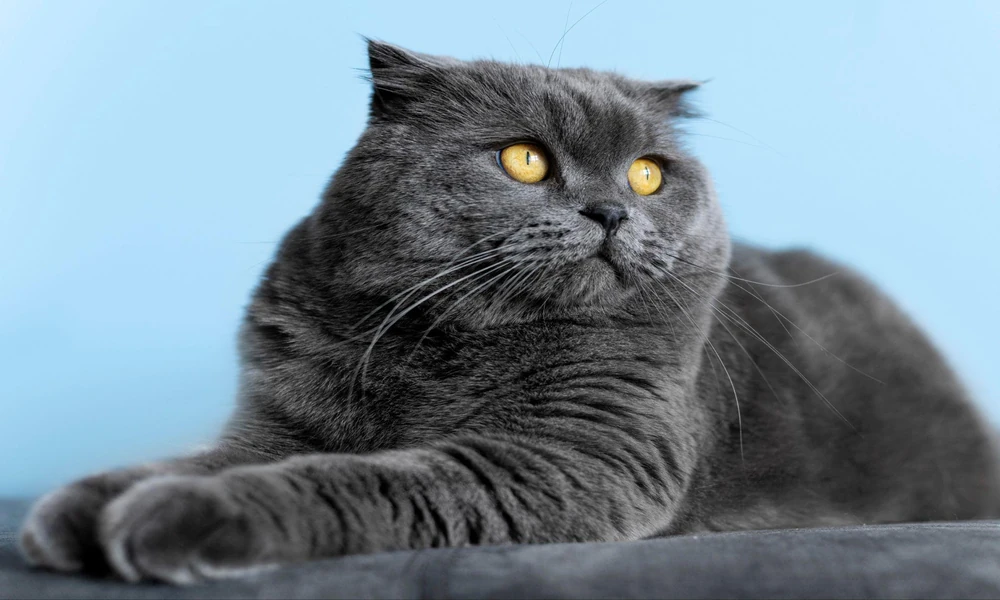
Bringing a new feline companion into your life marks the beginning of an incredibly rewarding chapter. With their trademark round faces, dense teddy-bear coats, and easygoing temperaments, British Shorthairs effortlessly steal hearts. However, welcoming a cat demands more than simply buying a bowl and picking a name.
Proper preparation ensures a smooth transition, reducing stress for both you and your new furry friend. Whether you choose a classic grey British Shorthair or consider longhaired variations, taking proactive steps turns your home into a sanctuary.
5 Key Preparation Areas for Your New Cat
- Home Safety & Proofing – Install window mesh, secure loose electric cables, and remove toxic indoor houseplants. Recommended gear includes heavy-duty window grilles or nets, cord concealers, and non-toxic indoor greens.
- Comfort & Rest Zones – Set up quiet retreat areas away from high-foot-traffic household pathways. Recommended gear includes deep plush beds, covered hideaway cubes, and soft microfibre blankets.
- Feeding & Hydration – Establish dedicated feeding stations separate from litter box setups. Recommended gear includes stainless steel or ceramic bowls and an automated circulating water fountain.
- Litter & Hygiene – Place accessible litter trays in private, low-noise locations throughout your home. Recommended gear includes low-entry litter boxes, dust-free clumping litter, and an ergonomic scoop.
- Enrichment & Exercise – Provide sturdy scratching surfaces and engaging solitary play options. Recommended gear includes heavy-base tall scratching posts, feather wands, and catnip-infused kickers.
Cat-Proofing Your Living Space for Safety
Before your kitten arrives, you must evaluate your home from a cat’s perspective. Feline curiosity often leads young kittens into tight spaces, high perches, or dangerous situations.
Secure your home by implementing these essential safety checks:
- Window and Balcony Protection – Install sturdy wire mesh or safety netting on all accessible windows and balcony railings to prevent accidental falls.
- Tucking Away Electrical Hazards – Conceal exposed wires and phone chargers using durable plastic cable wraps or cord protectors.
- Removing Poisonous Houseplants – Eliminate popular but toxic houseplants, such as lilies, monstera, philodendrons, and pothos, from spaces your cat frequents.
- Locking Away Chemical Products – Store household cleaners, laundry detergents, and human medications inside secure, latched cabinets.
Eliminating household hazards early creates a worry-free environment where your kitten can explore safely.
Setting Up Essential Equipment and Territory
Cats value territory and routine. Setting up dedicated zones for eating, sleeping, and toileting helps your new companion feel secure right from day one.
Assemble your essential starter gear:
- Plush Sleeping Quarters – Choose soft, padded beds with raised edges or covered hideouts where your cat can enjoy undisturbed naps.
- Hygienic Dining Stations – Position food and water bowls far away from the litter tray. Stainless steel or ceramic options prevent chin acne caused by plastic alternatives.
- Sturdy Scratching Furniture – Invest in heavy, tall sisal posts. British Shorthairs possess strong, muscular bodies and need firm scratching posts that will not wobble when stretched against.
- Litter Box Placement – Place an open or semi-enclosed litter tray in a quiet, low-traffic area so your kitten enjoys complete privacy.
Financial Planning and Long-Term Budgeting
Responsible pet ownership requires clear financial awareness. Beyond the initial adoption fee, caring for a pedigree cat involves ongoing maintenance costs, high-quality nutrition, and routine veterinary expenses.
When budgeting for a pedigree feline, parents often compare upfront purchase prices alongside monthly upkeep expenses. For instance, evaluating British Longhair cat costs alongside shorthair varieties highlights key differences in grooming requirements, specialised coat supplements, and professional dematting sessions.
Keep your monthly budget balanced by factoring in these recurring expenses:
- Premium Nutritional Diets – High-protein, low-carbohydrate wet foods and quality kibble support healthy weight management.
- Routine Veterinary Care – Annual health check-ups, core vaccinations, flea treatments, and deworming protect long-term health.
- Pet Insurance Policies – Securing medical insurance early buffers against emergency surgeries or sudden illness costs.
A clear budget ensures you provide top-tier care without unexpected financial strain.
Crafting a Smooth Arrival and Adjustment Strategy
The first 48 hours in a new home determine how quickly your kitten builds confidence. Moving into an unfamiliar environment with strange scents and noises can overwhelm a young animal.
Execute a stress-free welcoming strategy:
- Designate a Safe Starter Room – Limit your kitten to one comfortable, quiet room initially containing their bed, food, water, and litter box.
- Allow Independent Exploration – Let the kitten step out of the carrier on their own terms rather than pulling them out forcefully.
- Maintain Calm Interactions – Speak in low, gentle tones and refrain from inviting large groups of friends or family over during the first week.
- Introduce Other Pets Gradually – Keep existing household pets separated initially, swapping bedding to introduce scents safely before face-to-face meetings.
Patience during the first few days builds lifelong trust between you and your new pet.
Ready to Welcome Your New Companion?
Preparing your home for a British Shorthair involves thoughtful planning, proper safety measures, and assembling the right supplies. By cat-proofing your space, establishing clear territory zones, and understanding long-term care requirements, you pave the way for a smooth, joyful transition.
Frequently Asked Questions
Is a classic grey British Shorthair suitable for first-time cat owners?
Yes! The classic grey British Shorthair (often referred to as a Blue British Shorthair) features an easygoing, independent, and calm personality, making them an ideal match for first-time owners.
How much grooming does a British Shorthair require compared to longhair varieties?
Shorthairs only require a quick weekly brushing to remove loose fur. Conversely, managing British longhair cat costs often includes purchasing specialised slicker brushes, anti-tangle sprays, and paying for professional grooming sessions to prevent painful coat matting.
How long does it take for a British Shorthair kitten to settle into a new home?
Most kittens adjust within three to seven days. Providing a quiet environment, predictable feeding routines, and gentle interaction speeds up the acclimatisation process significantly.
Visit Xi Meow Pet today to begin your journey toward feline companionship!