
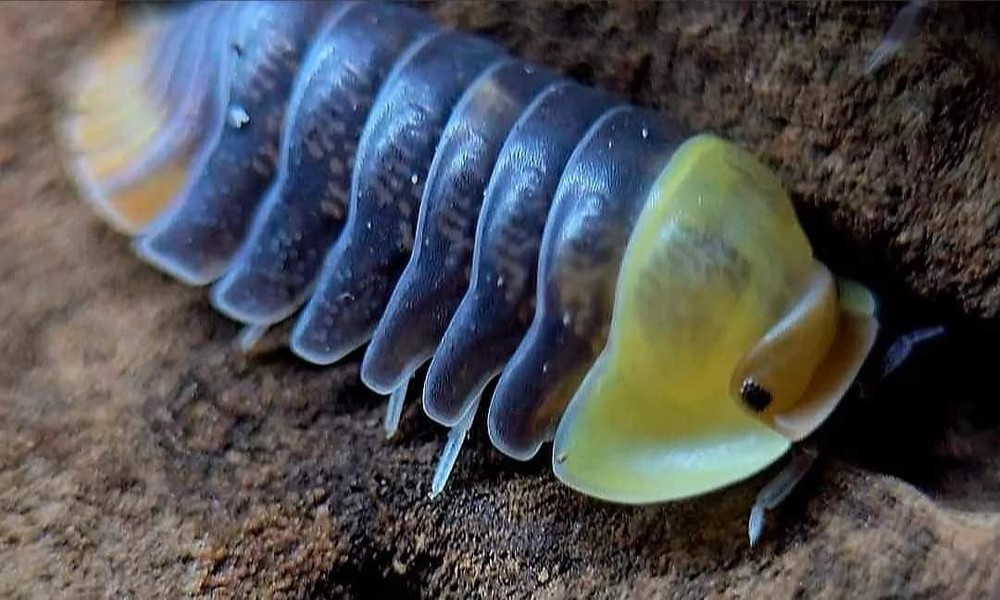
Tiny creatures often create the strongest visual attention inside planted glass habitats. Small surface activity gives natural motion across every corner. Many collectors now prefer active species because movement creates constant visual change. Soft soil layers become more engaging when tiny crawlers travel across bark pieces. Some hobby keepers also observe inverts during feeding periods because their actions appear highly organized. Careful habitat balance helps these unusual creatures remain visible throughout daytime hours.
Bright Surface Activity Across Habitat Layers
Natural crawling patterns create noticeable changes across moss areas plus wooden sections. Frequent movement also supports cleaner surroundings inside planted containers every day.
Warm moisture levels encourage stable surface travel during evening periods. Bark tunnels create shaded resting areas between feeding sessions. Many hobby keepers notice higher visibility after mist circulation increases slightly. Small habitat objects also support active daily routines naturally.
Gentle Colony Motion Inside Glass Displays
Small groups often spread evenly through the soil, plus decorative branches naturally. Constant roaming creates better visual depth throughout planted viewing spaces indoors.
Humidity balance affects movement speed across stone sections plus leaf surfaces. Active crawling also helps loosen organic material, which breaks down gradually over time. Steady environmental balance supports visible daytime patterns without sudden hiding behaviour. Moderate lighting conditions also encourage natural roaming patterns frequently.
Habitat Elements Supporting Visible Crawling Patterns
Simple habitat structure strongly affects movement around planted decorative surroundings. Balanced moisture conditions also improve daily surface visibility for observers regularly.
- Cork surfaces support steady climbing during evening roaming inside humid containers.
- Soft leaf layers maintain stable shelter areas beneath shaded decorative objects.
- Rounded stones encourage smooth travel around lower habitat corners during feeding.
- Moist substrate keeps body condition balanced throughout active daytime crawling periods.
- Thick moss sections reduce dryness across resting spaces near bark tunnels.
- Wooden hides create shaded zones supporting natural surface movement every evening.
- Gentle airflow maintains healthy surroundings without disturbing underground resting spaces.
- Dim lighting conditions encourage calm roaming around decorative habitat sections nightly.
Balanced Conditions Encouraging Natural Daily Patterns
Careful environmental balance improves visibility across planted viewing setups indoors. Surface activity usually increases after moderate moisture reaches the lower soil sections properly. Small decorative objects also help maintain movement variety around enclosure corners daily. Calm surroundings prevent sudden hiding periods during feeding routines inside habitats.
What Creates Better Surface Visibility Daily?
Daily visibility depends on stable moisture plus gentle enclosure surroundings indoors. Small environmental changes often influence roaming periods during feeding activity. Balanced temperature conditions also support smoother movement around bark sections naturally. Sudden dryness may reduce daytime appearances near open decorative areas.
Soft lighting helps maintain calm crawling behaviour throughout evening observation periods. Proper substrate depth also supports an underground shelter without limiting surface travel completely. Many keepers notice stronger activity when habitat sections remain undisturbed during daytime hours regularly.
Calm Observation Around Natural Habitat Motion
Quiet viewing periods help observers notice small movement details across enclosure surfaces. Moderate humidity also prevents excessive hiding during resting periods beneath decorative objects. Steady routines improve predictable roaming around moss sections every evening naturally.
Informative Answers About Habitat Activity
Short concerns often appear among beginner keepers managing planted enclosures regularly. Simple care routines usually support healthy movement patterns without major difficulty.
- Suitable moisture range supports healthy crawling throughout enclosed planted surroundings.
- Daytime appearances increase after stable lighting plus balanced humidity conditions.
- Leaf material assists shelter formation beneath decorative habitat sections naturally.
- Small colonies remain active inside medium-sized planted viewing containers daily.
- Bark surfaces improve climbing opportunities around enclosure corners every evening.
- Many hobby keepers observe rubber ducky isopods during night-time feeding movements frequently.
Steady Habitat Motion Creates Lasting Interest
Natural enclosure activity often keeps planted habitats visually engaging for long periods. Small roaming patterns bring gentle movement across moss plus bark surfaces every day. Balanced surroundings also support healthier routines without constant environmental adjustment. Simple observation habits help maintain stable enclosure conditions throughout seasonal changes. Consistent care methods usually create stronger visibility across decorative habitat layouts indoors.