
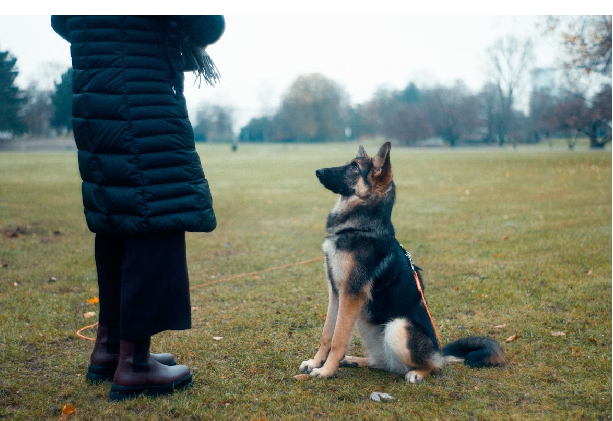
Dog training is essential for managing complex behaviors such as aggression, anxiety, and reactivity. These issues not only affect a dog’s quality of life but can also create challenges for owners and their families. Proper dog training helps dogs learn self-control, respond calmly to triggers, and develop confidence in their surroundings. Addressing these behaviors early is critical for long-term success and safety.
Identifying Behavioral Triggers
Effective dog training begins with identifying the root causes of aggression, anxiety, and reactivity. Aggression may stem from fear, territorial instincts, or past trauma, while anxiety often arises from separation or insufficient socialization.
Reactivity can occur when dogs overreact to stimuli such as other animals, unfamiliar people, or sudden noises. Understanding these triggers is essential for targeted dog training and helps prevent further escalation of negative behaviors.
Building a Strong Obedience Foundation
A strong obedience foundation is a key part of dog training for behavioral issues. Basic commands like sit, stay, and come provide structure and improve communication between dogs and their owners.
Consistent training routines help anxious or reactive dogs feel secure and more in control of their environment. By combining obedience training with behavior modification, dog training creates a reliable framework for correcting problem behaviors safely and effectively.
Positive Reinforcement Techniques
Positive reinforcement is a cornerstone of modern dog training, particularly for aggression, anxiety, and reactivity. Rewarding calm and desired behaviors encourages dogs to repeat those actions, while redirecting negative behaviors without punishment reduces fear and frustration.
Incorporating treats, praise, and toys strengthens learning and motivation. Dog training using positive reinforcement not only improves compliance but also fosters trust and strengthens the bond between dog and owner.
Gradual Desensitization and Exposure
Desensitization and controlled exposure are advanced dog training strategies for reducing fear and reactivity. By gradually introducing dogs to triggers at a safe distance, they learn that these situations are non-threatening.
For example, a reactive dog may slowly approach other dogs while being rewarded for calm behavior. This method in dog training helps dogs gain confidence, reduces overreactions, and teaches self-regulation in previously stressful scenarios.
Consistency, Patience, and Professional Support
Consistency and patience are vital for effective dog training. Behavioral issues like aggression and anxiety do not resolve overnight and require regular practice. Professional dog trainers can provide guidance, tailored plans, and safe intervention techniques.
Combining in-home practice with professional instruction ensures that the dog training process is thorough, safe, and sustainable, producing long-lasting behavioral improvements for both dog and owner.
Long-Term Benefits of Dog Training
Comprehensive dog training for aggression, anxiety, and reactivity improves a dog’s wellbeing, emotional stability, and social skills. It also enhances household safety, reduces stress for owners, and strengthens the human-animal bond.
By committing to structured dog training, owners can transform challenging behaviors into manageable, positive actions, resulting in a balanced, confident, and well-adjusted canine companion capable of thriving in a variety of environments.
Conclusion
In conclusion, addressing aggression, anxiety, and reactivity through consistent and structured dog training is vital for a dog’s overall wellbeing and safety. By combining obedience, positive reinforcement, desensitization, and professional guidance, dog training helps transform challenging behaviors into manageable, positive actions.
Owners who commit to ongoing training not only improve their dog’s emotional stability and confidence but also strengthen the bond between themselves and their pets, creating a harmonious and safe environment for both.